
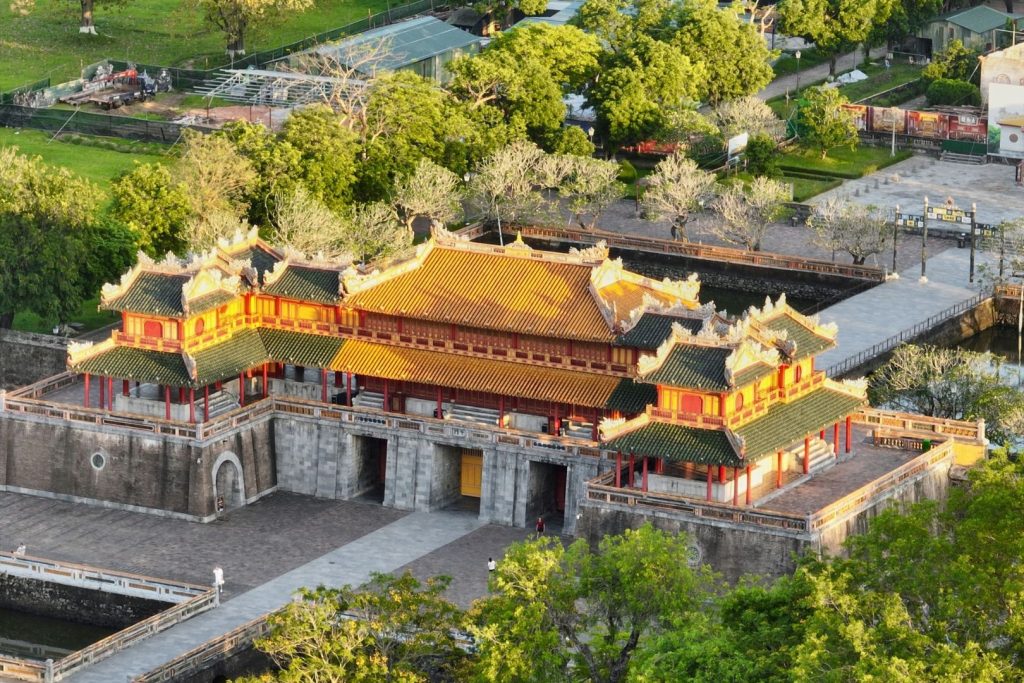
Hue Imperial City is the most important historical attraction in Hue and a must-visit destination for anyone interested in Vietnam’s royal heritage. Once the political and cultural center of the Nguyen Dynasty, this UNESCO World Heritage Site is home to magnificent palaces, ancient temples, grand gates, and centuries of fascinating history. But beyond its impressive architecture, Hue Imperial City offers a glimpse into the lives of Vietnam’s emperors and the legacy they left behind. In this guide, our local experts share everything you need to know to make the most of your visit.
Why Hue Imperial City Is a Must-Visit in Hue
As the former seat of the Nguyen Dynasty, the last royal dynasty of Vietnam, this vast complex offers a fascinating journey through centuries of imperial history, culture, and architecture.
More than just a collection of ancient buildings, Hue Imperial City tells the story of how Vietnam was governed, how emperors lived, and how royal traditions shaped the country for over a century. Whether you’re a history enthusiast or simply curious about Vietnam’s past, it’s one of the most rewarding places to visit in Central Vietnam.
The Political Heart of the Nguyen Dynasty
From 1802 to 1945, Hue served as Vietnam’s imperial capital under the Nguyen Dynasty. During this period, the Imperial City was the center of political power, where emperors ruled the country, held important ceremonies, and welcomed foreign dignitaries.
Many of the structures you see today were once reserved exclusively for royalty, high-ranking officials, and members of the imperial court, making the site an important symbol of Vietnam’s royal heritage.
A UNESCO World Heritage Site
In 1993, the Complex of Hue Monuments was recognized as a UNESCO World Heritage Site, highlighting its outstanding cultural and historical significance.
Over the years, extensive restoration projects have helped preserve many of the city’s most important structures, allowing visitors to experience a remarkable piece of Vietnam’s past while supporting the ongoing conservation of this historic landmark.
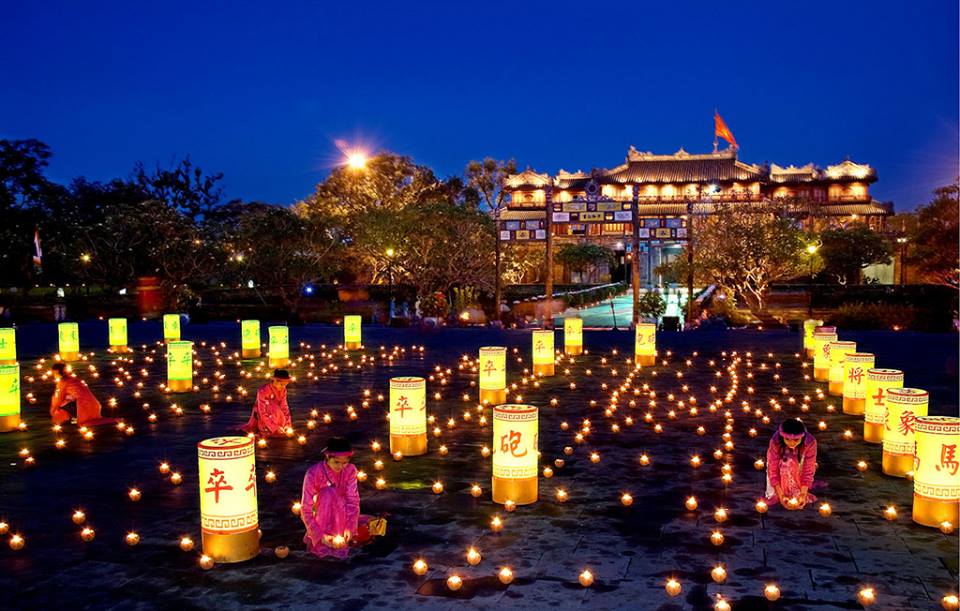
More Than Just Ancient Buildings
What makes Hue Imperial City so special isn’t only its architecture, it’s the stories behind it. As you walk through grand gates, royal courtyards, temples, and palaces, you’ll gain insight into the rituals, traditions, and daily life of the imperial court. Every building has a purpose, and understanding these stories transforms a simple sightseeing visit into a much richer experience.
Local tip: Many visitors focus only on taking photos of the major landmarks, but we recommend slowing down and reading the historical information throughout the complex. The experience becomes far more meaningful when you understand what you’re looking at and why it mattered to Vietnam’s emperors.
One of Vietnam’s Most Important Historical Attractions
While Vietnam is home to many historic sites, few are as significant as Hue Imperial City. It remains one of the country’s best-preserved royal complexes and offers a unique opportunity to step into a world that once shaped the nation’s history.
All You Need to Know Before Visiting
Hue Imperial City is one of the largest historical sites in Vietnam, so a little planning can make your visit much more enjoyable. Here’s everything you should know before exploring the former royal capital.
Where Is Hue Imperial City?
Hue Imperial City is located in the heart of Hue, on the northern bank of the Perfume River. Its central location makes it easy to combine with other famous attractions such as Thien Mu Pagoda, Dong Ba Market, and the royal tombs of the Nguyen emperors.
If you’re visiting from Da Nang or Hoi An, the Imperial City is often the highlight of a full-day Hue itinerary.
Opening Hours and Entrance Fees
The Imperial City is open daily and welcomes visitors year-round.
| Information | Details |
| Opening Hours | 7:00 AM – 5:30 PM |
| Adult Ticket | 200,000 VND |
| Children (7–12 years old) | 40,000 VND |
| Children under 7 | Free |
Note: Ticket prices may change over time, so it’s always worth checking the latest information before your visit.
How Much Time Do You Need?
Most travelers spend 2–4 hours exploring the Imperial City.
If you simply want to see the main highlights, around two hours is usually enough. However, if you’re interested in history, photography, or visiting restored palaces and exhibitions, we recommend allowing at least half a day.
Best Time to Visit
The best time to visit is early in the morning, when temperatures are cooler and the complex is less crowded.
Hue can become very hot, especially between May and August, and much of the site involves walking through open courtyards. Arriving early not only provides a more comfortable experience but also offers better lighting for photos.
Should You Hire a Guide?
You can certainly explore the Imperial City on your own, but we find that a local guide greatly enhances the experience and knowledge.
Without context, some buildings may appear similar. A knowledgeable guide can explain the stories behind the palaces, royal ceremonies, emperors, and historical events that shaped Vietnam’s final dynasty, bringing the complex to life in a way that signs alone cannot.

Helpful Tips Before You Go
To make the most of your visit, we recommend:
- Wearing comfortable walking shoes
- Bringing water, sunscreen, and a hat
- Starting early to avoid the midday heat
- Allowing extra time for photography
- Taking breaks in the shaded courtyards and gardens
Local tip: Many visitors rush through the Imperial City in under two hours. If your schedule allows, slow down and explore beyond the main route. Some of the quieter courtyards and restored buildings often become the most memorable parts of the visit.
Top Things to See Inside Hue Imperial City
With its vast grounds, historic buildings, and centuries of royal history, Hue Imperial City offers far more than most visitors expect. While it’s impossible to see every corner in a single visit, these are the landmarks we recommend prioritizing during your time inside the complex.
Ngo Mon Gate
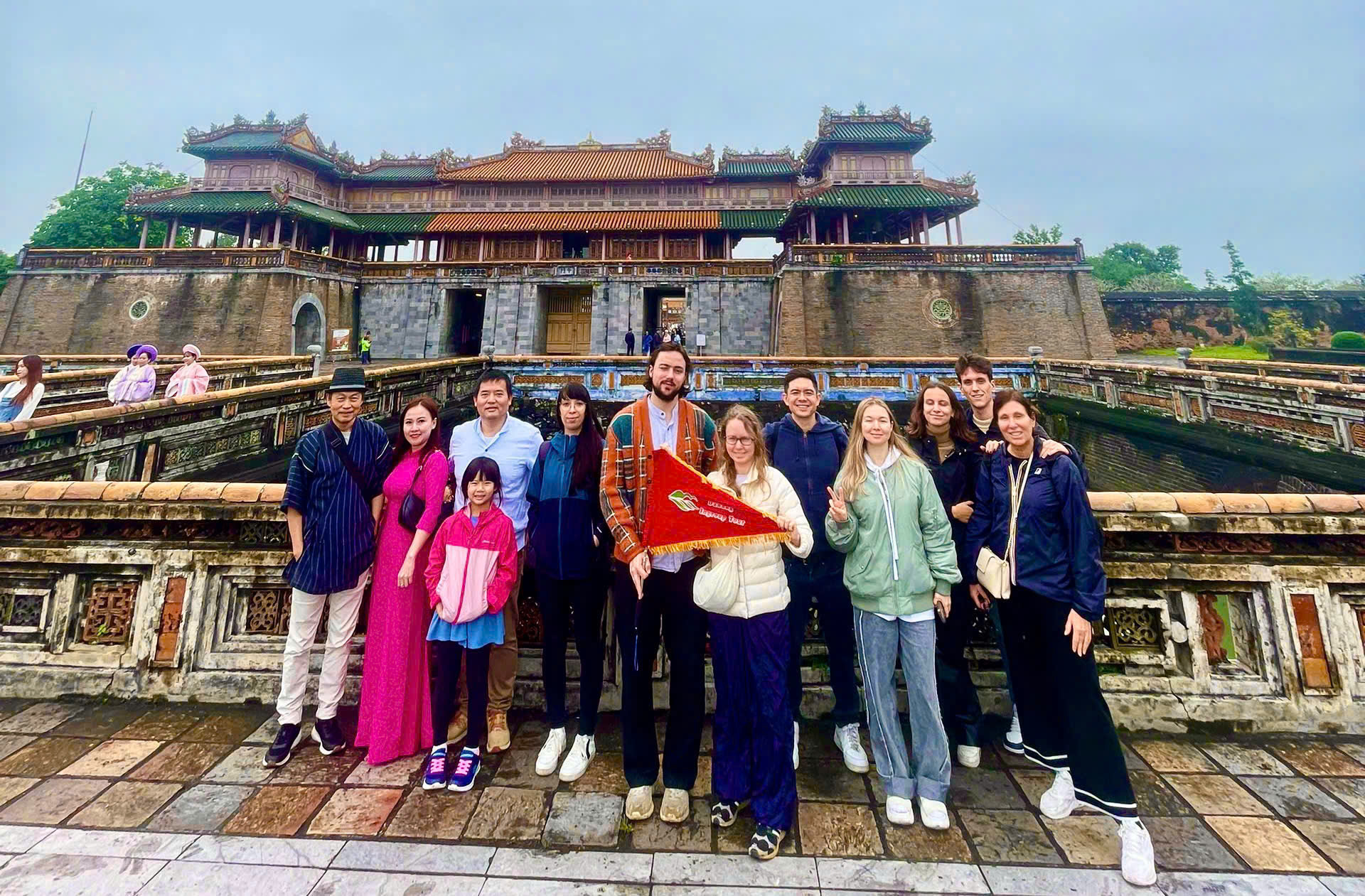
For most visitors, the journey begins at Ngo Mon Gate, the grand southern entrance to the Imperial City and one of Hue’s most recognizable landmarks.
Built in 1833 during the reign of Emperor Minh Mang, the gate served as the main ceremonial entrance for the imperial court. It was also the location of important royal events, including the abdication of Emperor Bao Dai in 1945, which marked the end of the Nguyen Dynasty.
Today, Ngo Mon Gate remains one of the most photographed spots in Hue. Its elegant architecture, yellow-tiled roofs, and impressive scale make it an ideal introduction to the grandeur of the Imperial City.
Thai Hoa Palace
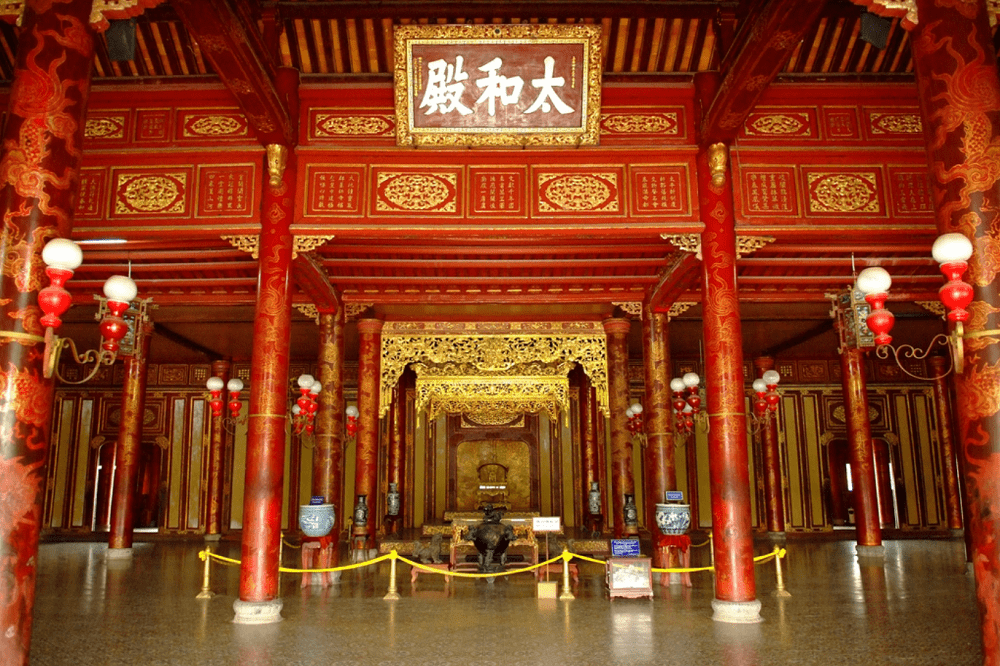
Located just beyond Ngo Mon Gate, Thai Hoa Palace was the most important ceremonial building within the Imperial City.
This was where emperors held official court sessions, received foreign ambassadors, and conducted major state ceremonies. The palace is famous for its beautifully decorated interior, intricate wooden architecture, and rows of lacquered columns adorned with golden dragons.
As the symbolic center of imperial power, Thai Hoa Palace offers one of the best opportunities to imagine what life was like during the height of the Nguyen Dynasty.
The Forbidden Purple City
Behind Thai Hoa Palace lies the Forbidden Purple City, once the private residence of the emperor and the royal family.
Similar in concept to Beijing’s Forbidden City, this area was restricted to royalty and a small number of trusted attendants. Although much of the original complex was damaged during wartime, restoration projects continue to reveal glimpses of what was once the most exclusive part of the imperial capital.
Walking through this area today provides a fascinating look into the daily lives of Vietnam’s emperors beyond official ceremonies and public events.
The Nine Dynastic Urns
Located near The Mieu Temple, the Nine Dynastic Urns (Cuu Dinh) are among the most important cultural treasures within the Imperial City.
Cast in bronze during the reign of Emperor Minh Mang, these massive urns symbolize the strength, unity, and longevity of the Nguyen Dynasty. Each urn is decorated with detailed carvings depicting landscapes, animals, plants, and important symbols from across Vietnam.
Many visitors walk past them quickly, but taking a closer look reveals some of the finest bronze craftsmanship in the country.
Hien Lam Pavilion
Standing near The Mieu Temple, Hien Lam Pavilion was built to honor the emperors and mandarins who made significant contributions to the Nguyen Dynasty.
As the tallest traditional structure within the Imperial City, the pavilion is both architecturally impressive and historically significant. Its elegant design and symbolic importance make it one of the most distinctive landmarks in the complex.
The Royal Theaters and Hidden Courtyards
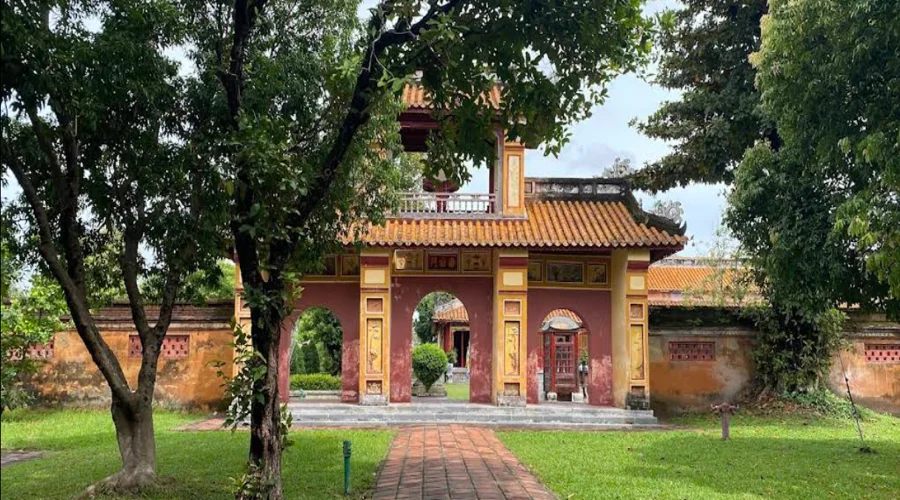
Beyond the major landmarks, we encourage visitors to explore some of the quieter areas of the Imperial City.
You’ll discover restored temples, peaceful gardens, royal theaters, and lesser-known courtyards that often receive far fewer visitors. These hidden corners offer a more relaxed atmosphere and provide a deeper appreciation of the scale and complexity of the former imperial capital.
Local tip: While Ngo Mon Gate and Thai Hoa Palace attract most of the attention, don’t rush through the rest of the complex. Some of the most rewarding experiences come from wandering beyond the main route and discovering the quieter sections that many visitors overlook.
A Brief History of Hue Imperial City
To fully appreciate Hue Imperial City, it helps to understand the story behind its walls. More than just a historical attraction, the complex was once the political, cultural, and ceremonial center of Vietnam for over a century.
The Rise of the Nguyen Dynasty
In 1802, Emperor Gia Long unified Vietnam and established the Nguyen Dynasty, making Hue the country’s capital. Inspired by the Forbidden City in Beijing while incorporating traditional Vietnamese principles, he ordered the construction of a vast imperial complex that would serve as the seat of royal power.
Over the following decades, successive emperors expanded the site with palaces, temples, gates, gardens, and administrative buildings, creating one of the most impressive royal capitals in Southeast Asia.
The Construction of the Imperial City
Construction of the Imperial City began in 1804 and continued for many years. Built according to feng shui principles, the complex was strategically positioned along the Perfume River and surrounded by protective walls, moats, and fortified gates.
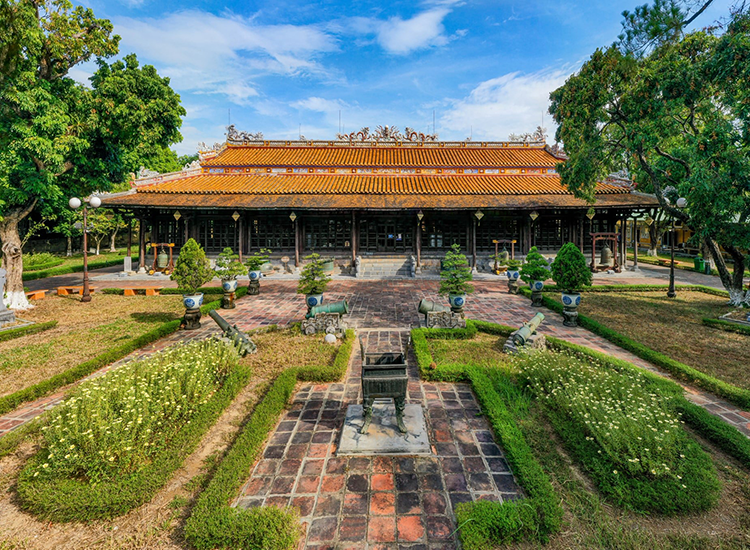
At its peak, the Imperial City contained hundreds of structures, including royal residences, ceremonial halls, temples, libraries, and the Forbidden Purple City, where only the emperor, his family, and trusted servants were allowed to enter.
Wars, Damage, and Restoration
Like many historical landmarks in Vietnam, Hue Imperial City suffered significant damage during periods of conflict, particularly in the 20th century. Many original buildings were destroyed or severely damaged, leaving only part of the once-grand complex intact.
Fortunately, extensive restoration efforts over the past several decades have helped preserve and rebuild many important structures. Today, visitors can see a fascinating blend of original architecture and carefully restored buildings that reflect the city’s former glory.
Hue Imperial City Today
Today, Hue Imperial City remains one of Vietnam’s most important cultural treasures and a centerpiece of the UNESCO-listed Complex of Hue Monuments.
While it no longer serves as a royal capital, it continues to preserve the stories, traditions, and architectural achievements of the Nguyen Dynasty. Walking through its gates today is not only a chance to admire beautiful architecture but also an opportunity to step back into a significant chapter of Vietnamese history.
Local tip: Don’t worry about memorizing dates or royal names before your visit. Understanding the basic story of the Nguyen Dynasty is enough to help you appreciate the landmarks you’ll encounter throughout the Imperial City.
Suggested Routes for Exploring Hue Imperial City
Hue Imperial City is much larger than many first-time visitors expect. While it’s possible to see the highlights in a couple of hours, having a simple route in mind can help you make the most of your visit and avoid feeling rushed.
2-Hour Quick Visit
If you’re short on time, focus on the Imperial City’s most iconic landmarks:
Suggested route:
- Ngo Mon Gate
- Thai Hoa Palace
- The Forbidden Purple City
- The Nine Dynastic Urns
- Hien Lam Pavilion
This route covers the major highlights and provides a good introduction to the history and architecture of the Nguyen Dynasty.
Half-Day Imperial City Experience
For most travelers, this is the ideal way to explore the complex.
Suggested route:
- Enter through Ngo Mon Gate
- Visit Thai Hoa Palace
- Explore the Forbidden Purple City
- Discover The Mieu Temple and the Nine Dynastic Urns
- Wander through restored palaces and quieter courtyards
- Visit the Royal Theater
- Take breaks in the gardens and shaded areas
A half-day visit allows you to slow down, appreciate the details, and enjoy the atmosphere rather than simply moving from one landmark to the next.
A History Lover’s Route
If you’re particularly interested in Vietnam’s royal history, consider spending extra time exploring the lesser-known sections of the Imperial City.
In addition to the major attractions, look for restored buildings, historical exhibitions, royal temples, and interpretive displays that provide deeper insights into the lives of the emperors and the workings of the imperial court.
This route can easily take 4–5 hours and is best enjoyed with a knowledgeable guide who can help bring the stories behind the buildings to life.
Local tip: Start your visit as early as possible. Not only will you avoid the midday heat, but you’ll also have a chance to explore some of the most popular landmarks before larger tour groups arrive.
Experience Hue Imperial City with Dacotours
While it’s easy to admire the architecture of Hue Imperial City, understanding the stories behind the gates, palaces, and royal traditions makes the experience far more meaningful. That’s why most people choose to explore Hue with a local expert guide who can bring the history of the Nguyen Dynasty to life.
If you’re visiting from Da Nang, our Full Day Hue City Tour from Da Nang via Hai Van Pass offers a convenient way to discover Hue’s most iconic attractions, including Hue Imperial City, Thien Mu Pagoda, and other cultural highlights.
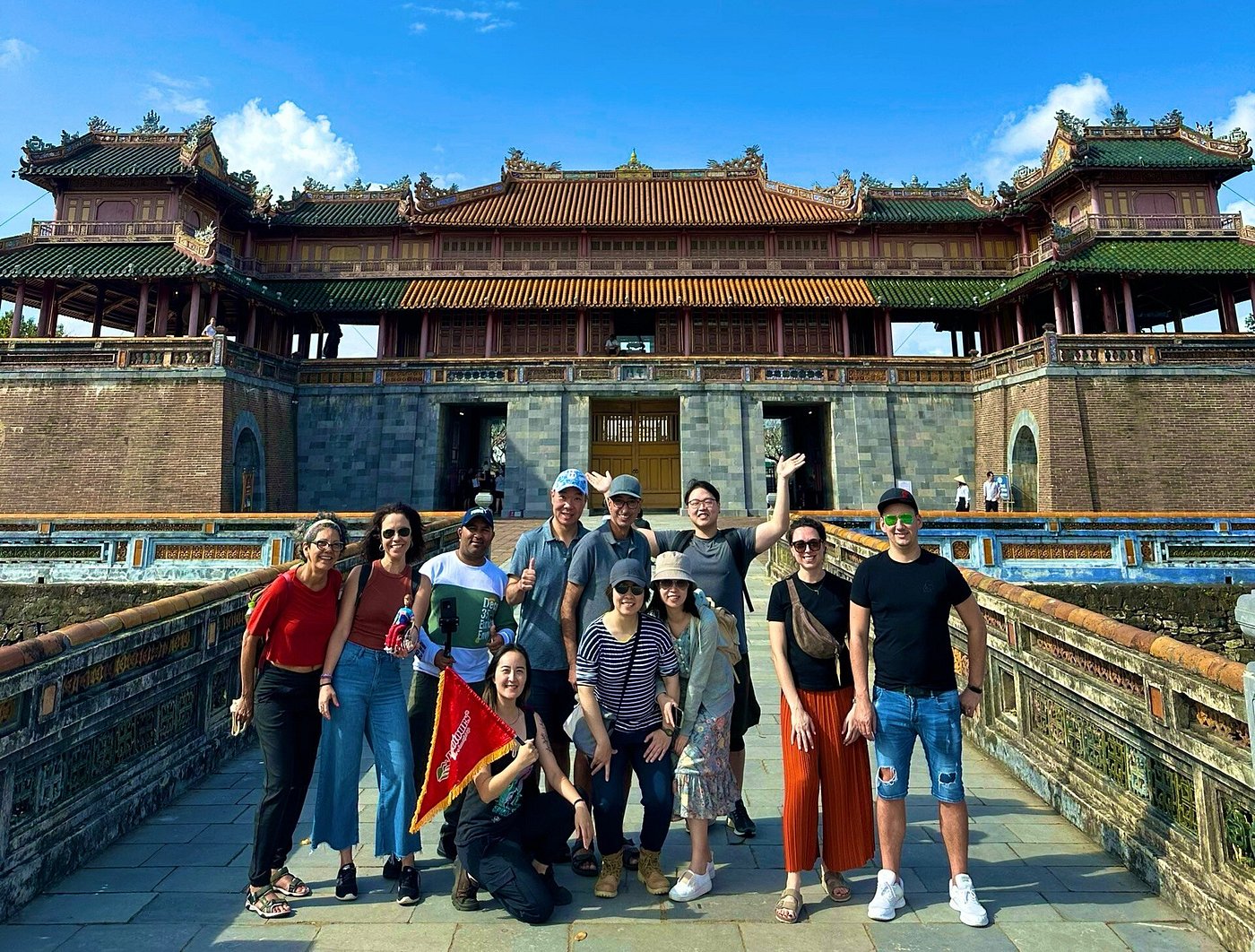
For a more flexible experience, our Hue Private Tour allows you to explore at your own pace and spend more time at the places that interest you most.
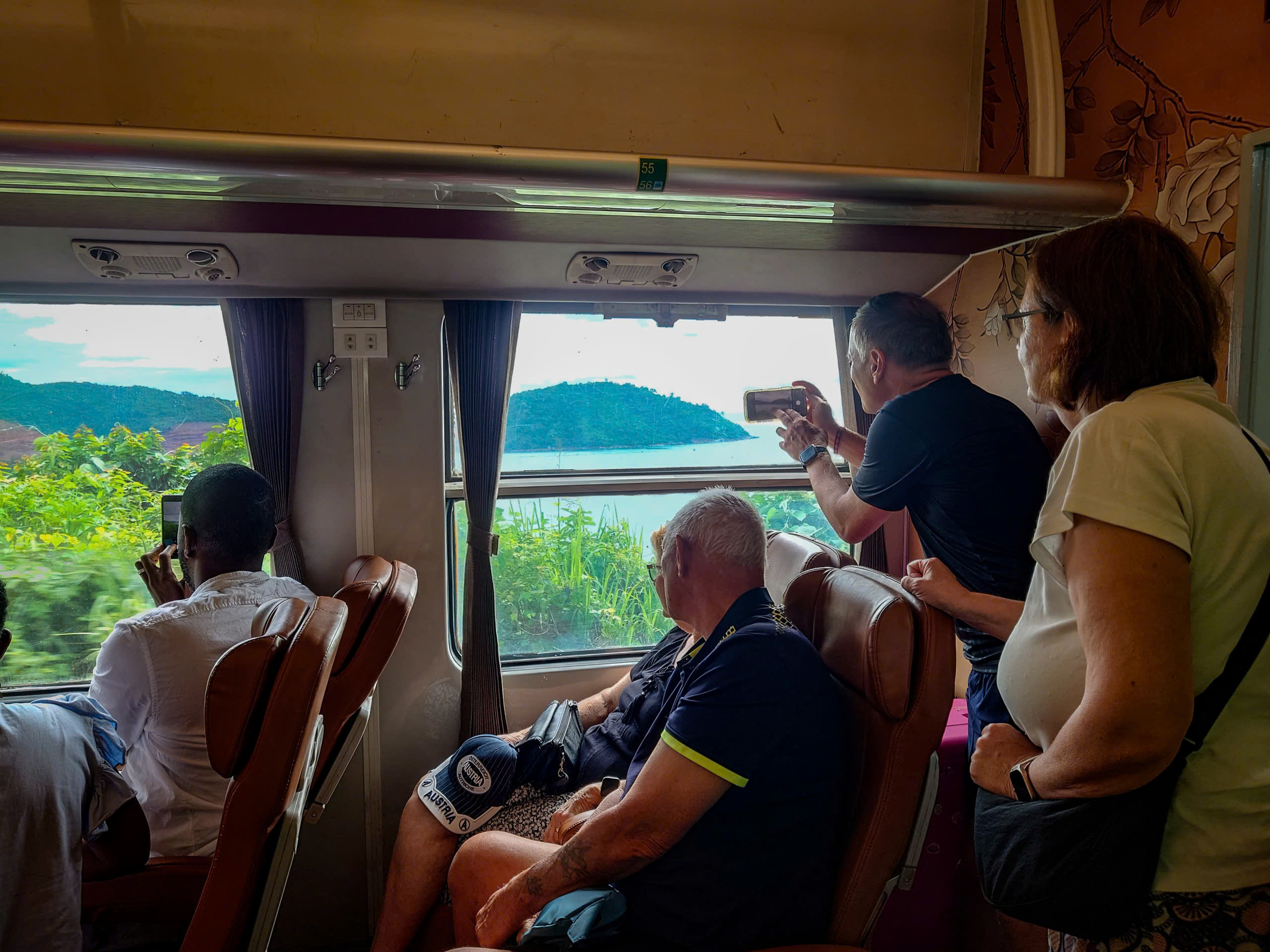
Looking for something truly different? Our Unique Hue City Tour from Da Nang by Train via Hai Van Pass combines one of Vietnam’s most scenic railway journeys with an immersive exploration of Hue’s rich heritage. It’s a memorable way to experience both the journey and the destination.
Reach out to us 24/7 to design your ideal Vietnam adventure:
- No.1 of Tours in Da Nang + Traveler’s Choice 2026 in Tripadvisors: https://www.tripadvisor.co.uk/Attraction_Review-g298085-d6974493-Reviews-Dacotours-Da_Nang.html
- Top Rated Tours in GetYourGuide: https://www.getyourguide.com/s/?q=supplier:275500
- Best-seller for Da Nang Tours in Viator: https://www.viator.com/Da-Nang/d4680-ttd
- 5-Star Reviews on Google Maps: https://maps.app.goo.gl/AmCen5fcjfVnv4fGA
- Loved by Travel Vloggers: https://www.youtube.com/watch?v=M98prYw2MzM
- 100% Recommended in Fanpage: https://www.facebook.com/dacotoursjsc/reviews
Follow us on Instagram for more tips, hidden gems & updates everything about Da Nang, so every visit becomes a memorable, local experience.