

Visiting Da Nang in rainy season doesn’t mean spending your entire trip watching the rain from your hotel. The key is simply to stay flexible, follow the actual weather rather than the season on paper, and adjust your plans when conditions change. In this guide, we’ll share what Da Nang’s rainy season is really like, the best things to do, what to avoid during bad weather, and our practical local tips for making the most of your trip.
When Is the Rainy Season in Da Nang?
Da Nang’s rainy season generally runs from around September to December, with October and November typically among the wetter periods. However, the exact timing and intensity can vary considerably from one year to another, so these months should be treated as a general seasonal pattern rather than a guarantee of rain every day.
September can still have plenty of good-weather periods, while toward the later months of the year you can expect a greater chance of rain, cloudy skies, cooler temperatures, and occasional periods of more unsettled weather. Tropical storms and other weather systems can also bring several days of heavier rain, stronger winds, and rougher sea conditions.
Rainy season doesn’t mean the same weather every day
This is probably the most important thing to understand when planning Da Nang in rainy season.
You might have a morning of rain followed by a dry afternoon, a cloudy but completely usable sightseeing day, several short showers, or occasionally a much wetter period when outdoor plans genuinely need to change.
The amount and frequency of rain can also feel very different from one year to another. That’s why we’d never recommend deciding whether to visit Da Nang based only on historical monthly rainfall or a rain icon you see weeks before your trip.
Our Local Tip
As your travel dates get closer, check the weather regularly and pay more attention to the short-term forecast and actual local conditions. Once you’re in Da Nang, your accommodation, local travel communities, tour operators, and people living here can often give you a much clearer idea of what conditions are really like.
You can also contact our Dacotours local team if you’re unsure whether the weather is suitable for a particular attraction or day trip. We can help you understand the current conditions and choose a more suitable plan rather than automatically cancelling an entire day just because rain is forecast.
What Is Da Nang Really Like During the Rainy Season?
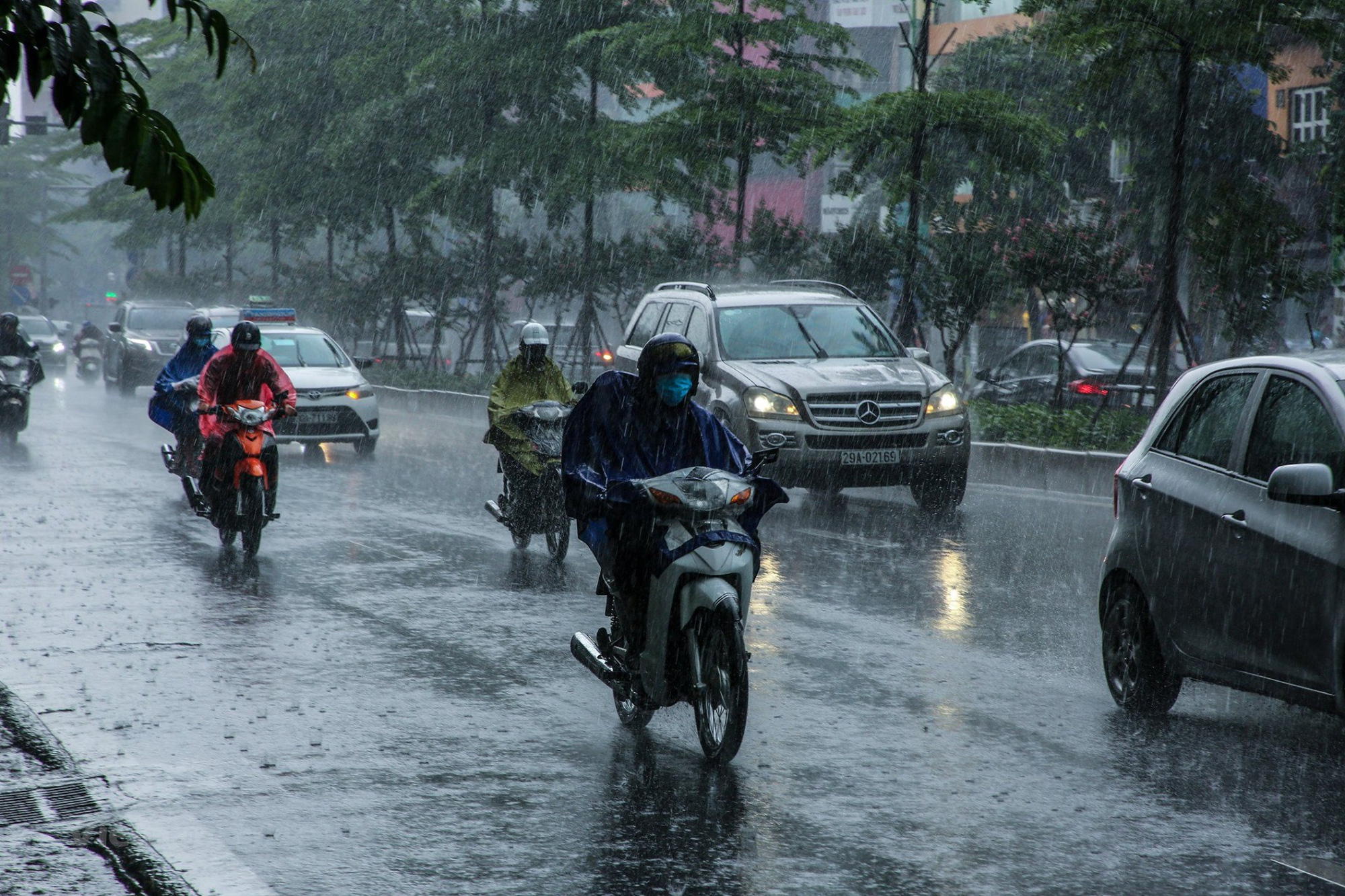
The reality of Da Nang in rainy season is much less predictable than simply “rain every day.” Some days can be wet and grey for long periods, while others may have a few showers followed by several comfortable hours for sightseeing. You can also get cloudy days with very little rain at all.
This is why two travelers visiting Da Nang during the same month in different years can come home with completely different experiences.
The cooler weather can actually be very comfortable
One advantage of this period is the temperature. When the rain stops, cooler weather and softer sunshine can make walking and sightseeing much more comfortable than during the hottest months of the year.
It’s a good time to slow down and enjoy things that don’t depend on perfect beach weather – exploring local neighborhoods, eating around the city, spending time in cafés, visiting cultural attractions, or walking along the Han River when conditions are good.
Da Nang also generally feels less crowded than during the peak summer period, so some travelers actually prefer the quieter atmosphere. Depending on your travel dates, you may also find better-value accommodation and services, although prices can still rise around holidays and special events.
Late-year Da Nang has its own atmosphere
If you’re visiting toward the end of the year, rainy season also brings a different side of the city. As Christmas and New Year approach, you’ll start seeing cafés, hotels, restaurants, malls, churches, and other places decorated for the festive season, alongside seasonal events and live music.
Add cooler evenings and the occasional light rain, and Da Nang can feel surprisingly relaxed at this time of year. It’s a good season for café hopping, local food, evening walks when the weather clears, and taking your trip at a slower pace.
Our Local Tip
Don’t arrive expecting either perfect weather or constant rain. Both expectations can easily be wrong.
Keep your itinerary flexible, check conditions each day, and take advantage of good-weather windows when they appear. During Da Nang’s rainy season, working with the weather rather than trying to follow a rigid itinerary is often the best way to travel.
Does It Rain All Day in Da Nang During the Rainy Season?
No – being in Da Nang during the rainy season doesn’t automatically mean it will rain from morning until night. There are certainly periods when heavy rain can continue for many hours or even several days, especially when a tropical weather system affects Central Vietnam, but this isn’t what every rainy-season day looks like.
On many days, the weather can change several times. You might wake up to rain, have a dry afternoon, then see another shower in the evening. Sometimes the sky stays cloudy for most of the day but the rain itself is relatively limited.
Don’t panic when your weather app shows rain every day
This is something we often see travelers worry about. You check the forecast before arriving and see a rain symbol for almost every day of your trip.
But a rain icon doesn’t necessarily tell you when it will rain, how long it will last, or how heavy it will be. That difference matters enormously when planning sightseeing.
Instead of cancelling activities several days ahead, check the forecast again closer to the date and ask people who are actually in Da Nang about current conditions.
Heavy weather is different
There is an important exception. When Da Nang is affected by prolonged heavy rain, strong winds, rough seas, flooding, or a tropical storm, you should take the conditions seriously and be prepared to change your plans completely.
Island trips, swimming, mountain roads, motorbike journeys, and some outdoor activities may no longer be appropriate or may be suspended altogether.
Our Local Tip
During rainy season, plan day by day rather than trying to predict your entire trip from a forecast one or two weeks in advance.
When you get several dry hours, use them. Go sightseeing, walk around the city, visit Hoi An, or enjoy an outdoor attraction when conditions are suitable. When heavier rain arrives, switch to food, cafés, wellness, museums, shopping, or another indoor experience.
And whenever you’re uncertain, ask your accommodation, local travel communities, or local experts such as our Dacotours team. Knowing what’s actually happening outside is often much more useful than simply seeing seven rain icons on your phone.
Why Visiting Da Nang in Rainy Season Can Actually Be Enjoyable
Rainy season certainly has disadvantages, especially if your priority is beaches, islands, or outdoor activities every day. But there are also some advantages to visiting Da Nang at this time of year that are easy to overlook.
Cooler weather can make sightseeing more comfortable
Once the rain stops, the cooler temperatures can be surprisingly pleasant for exploring. Walking around the city, visiting markets, wandering through Hoi An, or spending time outdoors can feel much easier without the intense sunshine and heat of summer.
You simply need to take advantage of the dry periods when they appear rather than sticking rigidly to what you originally planned for that day.
Popular places can feel much quieter
Another advantage is fewer visitors compared with busier travel periods. Attractions, cafés, restaurants, and tourist areas can feel noticeably calmer, giving you more space and time to enjoy them.
If you prefer slow travel over rushing through crowded attractions, this quieter atmosphere may actually suit you very well.
You may spend less on your trip
Rainy season can also be a good time to find more competitive accommodation rates and travel deals, depending on your exact dates and demand.
This doesn’t mean everything will always be cheaper – holidays, festivals, Christmas, New Year, and special events can affect prices – but traveling outside peak periods can give you more accommodation choices for your budget.
You experience a slower side of Da Nang
Perhaps the biggest difference is simply the rhythm of the trip.
Instead of building every day around beaches and outdoor attractions, you might spend longer over Vietnamese coffee, try more local food, get a massage, visit a museum, join a workshop, or wait until the weather clears before heading outside.
Rainy season naturally encourages you to slow down, and that isn’t necessarily a bad thing. Sometimes having fewer things you feel you “have to” do gives you more time to notice everyday Da Nang.
Our Local Tip
Don’t choose rainy season because you expect it to be better than the dry season. Choose it because your travel dates work, Da Nang matters to your Vietnam itinerary, and you’re comfortable being flexible with the weather.
For many travelers, Da Nang is still a destination they don’t want to skip while traveling through Vietnam. Come with realistic expectations, and the cooler weather, quieter atmosphere, potentially lower costs, and slower local vibe can become part of the experience rather than simply disadvantages you have to tolerate.
Top Things to Do in Da Nang in Rainy Season
1. Enjoy Da Nang’s Café Culture
When rain interrupts your outdoor plans, café hopping is one of the easiest things to do in Da Nang during the rainy season. The city has everything from small traditional coffee shops to garden cafés, modern specialty coffee spots, beachfront cafés, and plenty of comfortable places around An Thuong and the city center.
Rainy and cooler weather actually suits Da Nang’s café culture particularly well. Order a Vietnamese coffee, find somewhere with a good view, read, work, talk with friends, or simply spend an hour watching the city slow down outside.
Make café hopping part of your day, not just a backup plan
Instead of waiting in your hotel for the weather to improve, choose a café near the area you want to explore. If the rain stops, you can immediately continue sightseeing; if it doesn’t, move on to lunch, a museum, massage, workshop, or another indoor activity nearby.
Toward the end of the year, many cafés around Da Nang also put considerable effort into Christmas and seasonal decorations, making café hopping especially enjoyable if you’re visiting in November or December.

Our Local Tip
Don’t only search for the most famous cafés online. Walk through local neighborhoods when conditions are suitable and you’ll find plenty of smaller places with their own atmosphere and much more of an everyday Da Nang vibe.
And keep your plans flexible: sometimes all you need is one or two dry hours after your coffee to turn what looked like a rainy day into a perfectly good sightseeing day.
2. Eat Your Way Through Da Nang
Rainy weather is a great time to explore Da Nang’s local food scene. With everything from small family-run restaurants and local markets to seafood, international dining, and modern restaurants, finding somewhere good to eat is never difficult even when the weather changes your sightseeing plans.
Cooler days are particularly nice for trying warm local dishes such as Mi Quang, bun cha ca, banh xeo, hotpot, and other Central Vietnamese specialties.
Turn a Rainy Day Into a Food Day
Instead of traveling across the city between different attractions, choose one area and explore its food scene. Con Market and the city center are great for local flavors, while An Thuong offers a wide choice of Vietnamese and international restaurants.
You can easily combine lunch with a nearby café, massage, market, or indoor activity and wait for a better weather window before continuing your sightseeing.

Our Local Tip
Save a few restaurants in different parts of Da Nang before your trip so you always have an easy alternative when rain arrives. If you’d like to go beyond simply ordering from a menu, consider a local food experience with a guide who can introduce you to regional dishes, ingredients, and the stories behind what you’re eating.
Rain may change your itinerary, but in Da Nang, it certainly doesn’t need to stop you from experiencing the city through its food.
3. Relax with a Massage, Spa or Wellness Experience
A rainy afternoon is a perfect time to slow down with a massage or wellness experience in Da Nang. The city has everything from affordable local massage shops to larger spas and luxury resort wellness facilities, so you can easily find something that suits your budget.
Options include body and foot massage, herbal treatments, sauna, steam rooms, and longer spa packages – especially useful after several busy days of traveling around Central Vietnam.
A Good Plan When Heavy Rain Arrives
Instead of losing half a day waiting in your hotel, book a massage or spa treatment and check the weather again afterward. If conditions improve, you can continue with the beach, Han River, markets, or other outdoor sightseeing later in the day.
This flexibility works particularly well during rainy season because you don’t need to decide your entire day’s schedule in advance.

Our Local Tip
Popular spas can still become busy in the late afternoon and evening, so check recent reviews and reserve ahead if there’s somewhere specific you’d like to visit.
You can also combine spa + café + dinner into an easy rainy-day plan. By the time you’re finished, the rain may already have passed and you can continue exploring Da Nang in the cooler evening weather.
4. Visit Da Nang’s Museums
Rainy days are also a good opportunity to learn more about Da Nang and Central Vietnam beyond the beaches and famous attractions. Instead of treating museums simply as a backup when it rains, choose one that genuinely matches your interests.
The Museum of Cham Sculpture is particularly worthwhile if you’re planning to visit My Son Sanctuary, as it gives you much more context about Cham history, culture, religion, and sculpture before or after your trip.
Combine Museums with the City Center
Most museum visits don’t require an entire day, which makes them easy to combine with other rainy-day activities. You could spend a few hours at a museum, have lunch around the city center, visit a café, explore Han Market, and head toward the Han River if the weather clears later.
This works particularly well during rainy season because you can move between indoor and outdoor activities depending on the conditions rather than cancelling the whole day.

Our Local Tip
If My Son Sanctuary is part of your itinerary, consider visiting the Museum of Cham Sculpture as well rather than seeing the ruins without much historical context. Understanding more about the Cham civilization beforehand can make what you see at My Son considerably more meaningful.
And if you’re interested in history but prefer having someone explain the stories rather than reading displays yourself, a local guide can help connect Da Nang, My Son, and the wider history of Central Vietnam in a much easier-to-understand way.
5. Spend a Few Hours at a Shopping Mall
When the rain is heavy and you want somewhere easy to spend a few hours, Da Nang’s shopping malls are a practical option. You can shop, eat, have coffee, watch a movie, browse supermarkets, or simply stay somewhere comfortable until the weather improves.
Large malls such as Vincom Plaza and AEON Mall are especially convenient for families or travelers who want several activities in one place without moving around in the rain.

Use It as a Flexible Part of Your Day
You don’t necessarily need to dedicate an entire day to shopping. Spend the wettest part of the afternoon at a mall, then check the weather again and continue to the Han River, beach, night market, or dinner once conditions improve.
This is one of the easiest strategies during Da Nang’s rainy season: keep indoor and outdoor options close together and switch between them as the weather changes.
Our Local Tip
A mall may not be high on your Vietnam bucket list, but it can also show you a small part of everyday local life in Da Nang. Go to the cinema, try something from the food court, browse Vietnamese products at the supermarket, or simply see how local families and young people spend a rainy afternoon.
Don’t think of it as losing travel time – sometimes adjusting your plans instead of fighting the weather is what makes a rainy-season trip much easier.
6. Join a Cooking Class or Local Workshop
A rainy day can be a good opportunity to try something hands-on instead of simply moving between attractions. Da Nang regularly has cooking classes, handicraft workshops, painting, pottery, coffee experiences, and other creative activities that can keep you comfortably indoors for a few hours.
Cooking classes are particularly useful if you want to learn more about Vietnamese food rather than only eating it. Depending on the experience and weather, some may also include a local market visit before moving indoors to prepare the dishes.

Check What’s Happening During Your Stay
Smaller workshops and community activities change regularly, so don’t rely entirely on travel articles published months ago. Check Facebook Events, local community groups, event pages, cafés, creative spaces, and expat communities shortly before or during your stay.
Toward the end of the year, you may also find seasonal workshops and events connected with Christmas and New Year, giving you more options when outdoor sightseeing is limited.
Our Local Tip
Keep one or two workshops saved as flexible options rather than booking your entire rainy-season itinerary around them. If the forecast suddenly turns bad, you’ll already have something interesting to switch to instead of spending the afternoon searching for what to do.
And if you’re having trouble finding current activities, feel free to contact our Dacotours local team. We can help suggest suitable experiences based on the weather, your interests, and what’s actually available during your stay.
7. Explore Da Nang Whenever the Rain Stops
Don’t assume a rainy-season day needs to become an indoor day from morning to night. When you get a few dry hours, take advantage of them and move your outdoor sightseeing into that window.
Depending on the conditions, you can walk along My Khe Beach, explore the Han River, visit local markets, wander around the city center, or simply walk through neighborhoods and see a quieter side of Da Nang.
Let the Weather Decide Your Schedule
During the dry season, you can comfortably plan activities several days ahead. During the rainy season, it often works better to have a list of things you want to do and decide the order day by day.
If the morning is wet, have coffee or visit a museum first. If the sky clears after lunch, move your outdoor activity forward instead of waiting until tomorrow.
The period just after rain can actually be very pleasant for sightseeing, with cooler temperatures and less intense sunshine than you’d normally experience during Da Nang’s hotter months.
Our Local Tip
Check the short-term forecast, but also simply look at the actual conditions outside and ask locals. Your hotel, local travel communities, guides, and tour operators may have a much clearer picture of whether conditions are suitable for what you’re planning.
During rainy season, flexibility is more useful than a perfect itinerary. Don’t wait for a completely sunny day – sometimes a cool, cloudy and mostly dry afternoon is one of the most comfortable times to explore Da Nang.
8. Experience Hoi An at a Slower Pace

Hoi An can still be worth visiting during Da Nang’s rainy season, especially when the weather is cool, cloudy, or only lightly raining. Without the intense summer heat, walking through the Ancient Town, stopping at cafés, trying local food, and exploring the small streets can actually feel very comfortable.
The atmosphere is different from a bright sunny day, but that’s not necessarily a disadvantage. Cooler weather naturally suits a slower Hoi An experience – spend longer over coffee, browse small shops, have an early dinner, and enjoy the Ancient Town into the evening rather than rushing between attractions.
But Check the Conditions Before You Go
There’s an important difference between light rain and prolonged heavy rain. During periods of significant rainfall, parts of Hoi An can experience flooding, and outdoor activities or transportation may be affected.
Don’t head there simply because Hoi An was scheduled for Tuesday on your itinerary. If conditions aren’t suitable, move it to another day whenever possible.
Our Local Tip
During rainy season, we’d recommend keeping Hoi An flexible and going when you see a better weather window. An afternoon with cooler temperatures and mostly dry conditions can be much more enjoyable for walking than a hot summer afternoon.
If you’re unsure whether conditions are suitable, ask your accommodation or contact our Dacotours local team before leaving Da Nang. We can help you check the situation and adjust your Hoi An plan rather than wasting a day traveling there when the weather isn’t appropriate.
9. Enjoy Da Nang’s Late-Year Festive Atmosphere
If you’re visiting toward the end of the rainy season, Da Nang starts to take on a different atmosphere as Christmas and New Year approach. Cafés, hotels, restaurants, shopping malls, and entertainment venues often put up elaborate decorations, while seasonal events, live music, and year-end activities become easier to find around the city.
Christmas isn’t celebrated by every Vietnamese family in the same way as in Western countries, but you’ll definitely notice the festive season around Da Nang. Combined with cooler temperatures, it can be a surprisingly nice time to walk around, café-hop, eat out, and enjoy the city at a slower pace.

Check What’s Happening During Your Travel Dates
Events change every year, so check Facebook Events, local community pages, malls, hotels, cafés, and entertainment venues shortly before your trip rather than relying on an old event calendar.
If the weather is good in the evening, you can easily combine Christmas decorations, dinner, live music, cafés, and a walk around the Han River or city center.
Our Local Tip
Don’t expect Da Nang to feel like a European Christmas destination. Instead, enjoy the Vietnamese version of the festive season – busy decorated cafés, young people taking photos, music, seasonal events, cooler evenings, and plenty of people out enjoying the city whenever the rain stops.
If you’re visiting in November or December, leave a few evenings unplanned. Sometimes simply finding a beautifully decorated café, having something warm to drink, and walking around the city afterward can capture the slow, cozy side of Da Nang’s rainy season better than another packed sightseeing day.
What Should You Avoid During Bad Weather in Da Nang?
Rain itself doesn’t mean you need to stay indoors, but heavy rain, strong winds, rough seas, poor visibility, or official weather warnings are different. During these periods, we’d avoid forcing outdoor plans simply because you’ve already booked them into your itinerary.
Avoid Cham Islands When the Sea Is Rough
Cham Islands can still be possible during parts of the rainy season, but this is one activity where sea conditions matter more than the weather you see from your hotel.
Speedboats and passenger boats may not be permitted to operate when conditions are unsafe. If you want to visit Cham Islands during this period, keep the date flexible, check conditions shortly before departure, and confirm directly with your tour operator.
If snorkeling and beach time are major reasons you’re visiting, we’d also recommend choosing the best available weather day rather than simply going because boats are operating.
Visit Ba Na Hills on the Best Weather Day Available
Ba Na Hills is different. You don’t necessarily need a perfectly sunny day, but heavy rain, dense fog, and poor visibility can significantly affect the experience, especially the mountain views and outdoor attractions.
Because mountain weather can differ from central Da Nang, check conditions specifically for Ba Na Hills. If you have several days in Da Nang, keep Ba Na flexible, ask locals like us and move it to the day with the most promising forecast.

Avoid Swimming When Warning Flags Are Up
Rainy season can bring stronger waves and rougher sea conditions. Never enter the water simply because you see other people swimming, and always follow beach warning flags and lifeguard instructions.
If the sea isn’t suitable, save swimming for another day.
Avoid Riding a Motorbike in Heavy Rain
Even if you’re comfortable riding, heavy rain means reduced visibility, slippery roads, standing water, and more difficult traffic conditions.
For most international visitors, taking GrabCar, a taxi, or arranged transportation is a much easier choice until conditions improve.
Be Careful with Son Tra and Mountain Roads
Son Tra is beautiful in cooler weather, but heavy rain, fog, and poor road conditions aren’t the time to explore unfamiliar mountain roads by motorbike. Check current access and weather conditions and postpone the trip when necessary.
Our Local Tip
The key isn’t to avoid Ba Na Hills, Cham Islands, Son Tra, or the beach for the entire rainy season. It’s to avoid treating their dates as fixed.
Keep your weather-dependent activities flexible, use the best-weather windows for them, and move indoor or city activities to wetter days. This simple approach can make a huge difference to a rainy-season trip.
Explore Da Nang in Rainy Season with Dacotours
With 14+ years of local experience, Dacotours can help you make the most of Da Nang even when the weather doesn’t follow your original plan. Our local team can advise you based on current conditions, arrange suitable tours and transportation, and help adjust your itinerary when outdoor or sea activities aren’t recommended.
Rainy season doesn’t mean you should skip Da Nang – it simply means traveling with more flexibility. Whether you join one of our daily group tours or choose a customized private trip, we’ll take care of the logistics so you can enjoy the cooler weather, quieter atmosphere, local experiences, and every good-weather window that comes your way.

Contact us today for free consultation & start planning your perfect vacation. Reach out to us 24/7 to design your ideal adventure:
- No.1 of Tours in Da Nang + Traveler’s Choice 2025 in Tripadvisors: https://www.tripadvisor.co.uk/Attraction_Review-g298085-d6974493-Reviews-Dacotours-Da_Nang.html
- Top Rated Tours in GetYourGuide: https://www.getyourguide.com/s/?q=supplier:275500
- Best-seller for Da Nang Tours in Viator: https://www.viator.com/Da-Nang/d4680-ttd
- 5-Star Reviews on Google Maps: https://maps.app.goo.gl/AmCen5fcjfVnv4fGA
- Loved by Travel Vloggers: https://www.youtube.com/watch?v=M98prYw2MzM
- 100% Recommended in Fanpage: https://www.facebook.com/dacotoursjsc/reviews
Also, follow us on Instagram for more tips, hidden gems, and updates on all the best places to visit in Da Nang Vietnam!